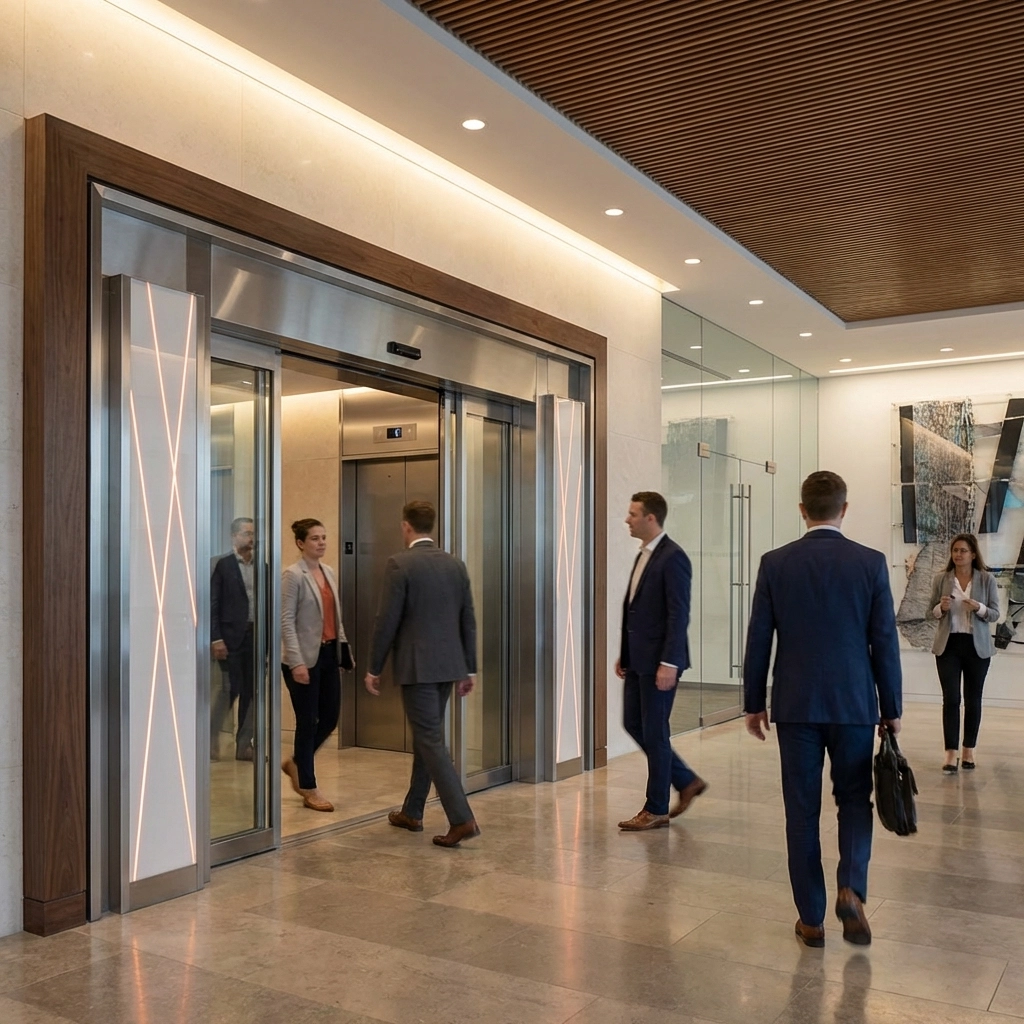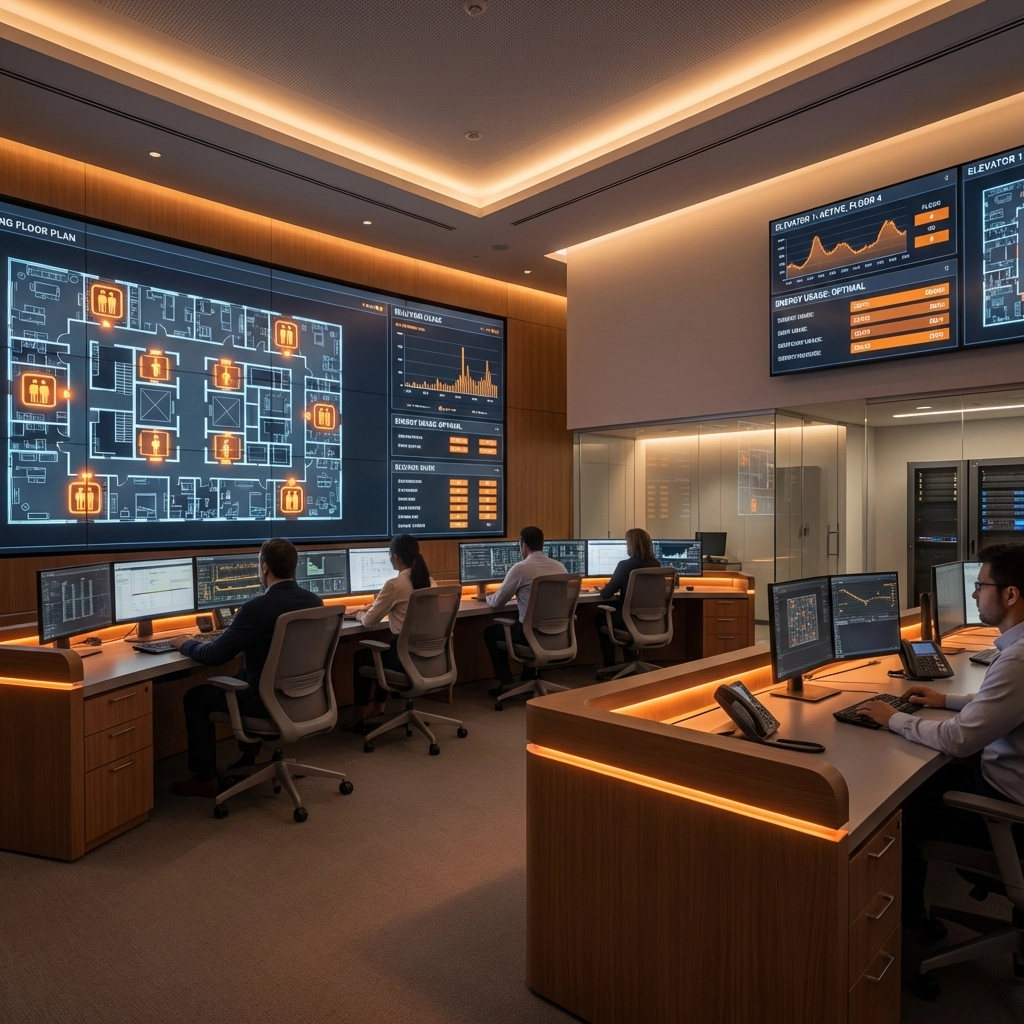
Tag: Commercial Elevators

  • When Elevator Support Feels Harder Than It Should

    A clearer, more responsive approach to elevator service—for homes, buildings, and the people who rely on them.
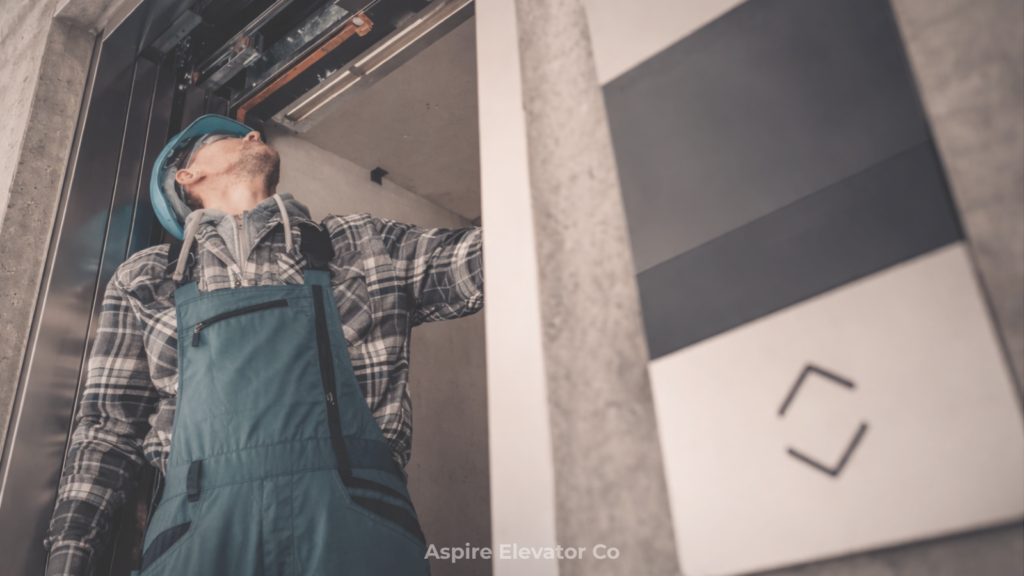
    Elevator technician inspecting the interior of an elevator while standing inside the shaft, with control panel visible in the foreground

    We didn’t set out to build just another elevator company.

    We started Aspire Elevator because we kept seeing the same pattern—people weren’t frustrated with elevators themselves as much as they were frustrated with the experience around them.

    Calls that didn’t get returned.
    Issues that took too long to resolve.
    Explanations that felt unclear or overly technical.

    Over time, that becomes what people expect.

    And most assume that’s just how it works.

    But it doesn’t have to.


    Where Most Frustration Starts

    For most people, the challenge isn’t just the elevator.

    It’s everything that surrounds it.

    Elevators are essential systems—but they live in a space that’s highly technical and often reactive. You don’t think about them until something isn’t working the way it should.

    And when that happens, you’re suddenly dealing with:

    • Downtime that impacts tenants, guests, or daily routines
    • Unclear communication around what’s wrong or how long it will take
    • Recommendations that are hard to evaluate without context

    For hotels and office buildings, that affects experience and operations.
    For contractors, it can create delays and coordination issues.
    For homeowners, it disrupts the flow of daily life in a way most people don’t anticipate.

    And in many cases, the hardest part isn’t the issue itself—it’s not knowing what’s actually going on.


    The Assumption Most People Don’t Question

    There’s a quiet assumption in this space:

    That slow responses, limited communication, and reactive service are just part of owning or managing an elevator.

    So people adjust.

    They wait longer than they should.
    They move forward without full clarity.
    They accept a level of uncertainty that wouldn’t be acceptable in other areas of their home or business.

    But that’s not a requirement of the system—it’s a result of how the system is often supported.
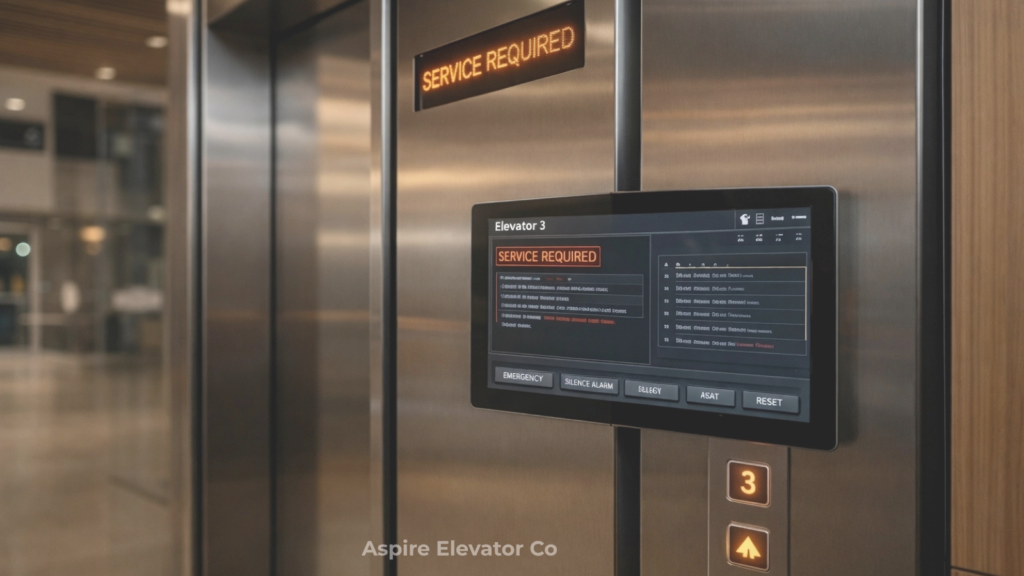
    Elevator control panel displaying a “service required” message inside a building elevator.

    A Different Way to Approach Elevator Service

    At Aspire Elevator, the goal isn’t just to fix what’s broken.

    It’s to make the entire experience around your elevator feel more clear, responsive, and manageable.

    That starts with something simple:

    When you reach out, you get a response.

    Not eventually—quickly.

    But responsiveness alone isn’t enough.

    It has to be paired with real skill and experience. The kind that allows you to not only address the issue in front of you, but also recognize patterns, anticipate future problems, and offer better long-term solutions.

    Because not every elevator issue is just a one-time fix.

    Sometimes the better question is:

    • Why does this keep happening?
    • Is there a more efficient path forward?
    • What can we do now to prevent this from becoming a bigger issue later?

    That’s where thoughtful support makes a difference.


    Why Education Matters

    One of the biggest gaps we see is a lack of understanding around how elevators actually work—and what good service should look like.

    Most people are given answers, but not context.

    And without that context, it’s hard to know:

    • What’s necessary vs. optional
    • What’s urgent vs. something that can be planned
    • What a smart long-term investment looks like

    We believe part of our role is helping you understand your system—not just respond to it.

    Because when you understand what’s happening:

    • You make better decisions
    • You can plan instead of react
    • You avoid unnecessary costs and disruptions

    And that changes everything.
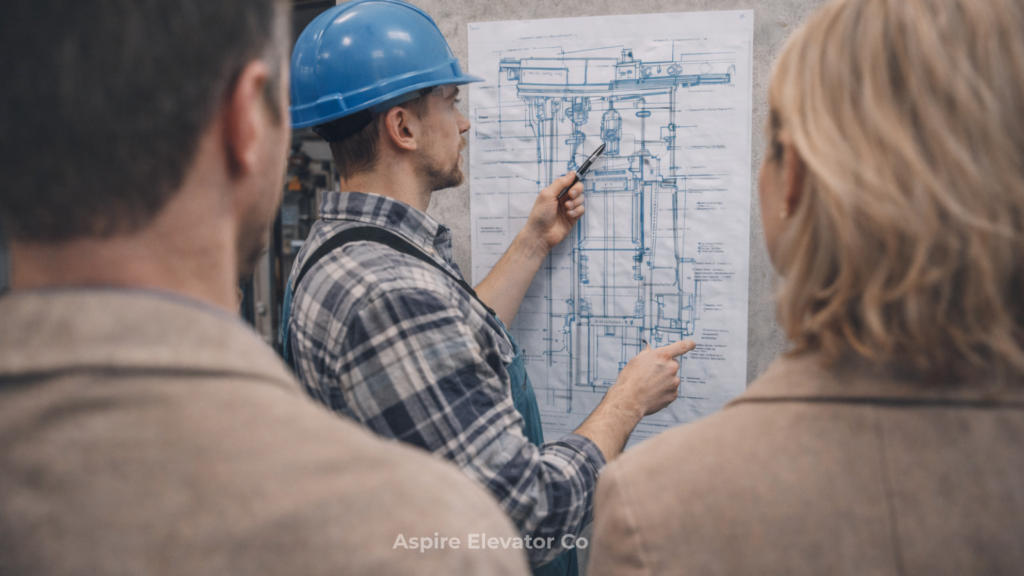
    Elevator technician explaining a system diagram to two clients, viewed from behind as they look on.

    Who We Work With

    This shows up across a wide range of environments:

    • Hotels & Motels → where uptime directly impacts guest experience
    • Office Buildings → where reliability matters every single day
    • Contractors → who need clear communication and coordination
    • Homeowners → who want something that works seamlessly without constant concern

    Different settings, but the same need underneath it:

    Clear answers. Reliable support. People who actually show up.


    What You Should Expect

    If there’s one thing we hope people walk away with, it’s this:

    You don’t have to settle for confusion or slow responses.

    You should expect:

    • Clear communication
    • Timely support
    • Thoughtful recommendations
    • A partner who helps you think ahead—not just react

    That shouldn’t be a differentiator.

    It should be the baseline.


    Let’s Talk

    Whether you’re:

    • Trying to better understand how your current system works
    • Working through an issue that needs attention, or
    • Beginning to explore what adding an elevator to your home or building could look like

    We’d be glad to walk through it with you.

    A simple conversation to help you gain clarity on what makes the most sense moving forward.
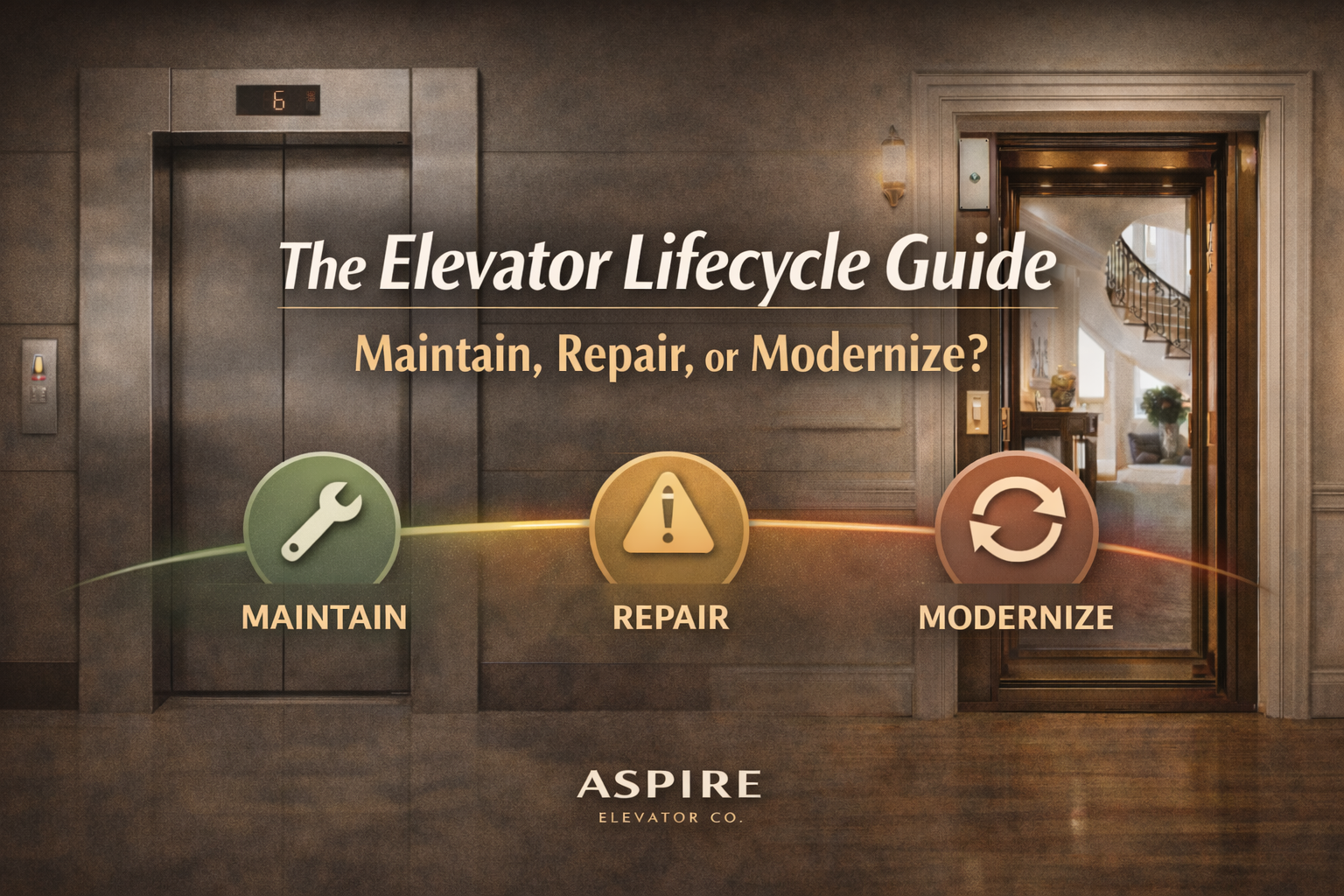

  • The Elevator Lifecycle Guide: Maintain, Repair, or Modernize?

    The Elevator Lifecycle Guide: Maintain, Repair, or Modernize?

    Elevators don’t fail overnight. They age in stages.

    Whether you manage commercial elevators or own a residential elevator at home, the biggest financial mistake isn’t wear and tear, it’s making the wrong decision at the wrong time.

    Should you continue routine elevator maintenance? Is it time for targeted repairs? Or are you overdue for elevator modernization?

    This lifecycle playbook will help you decide.

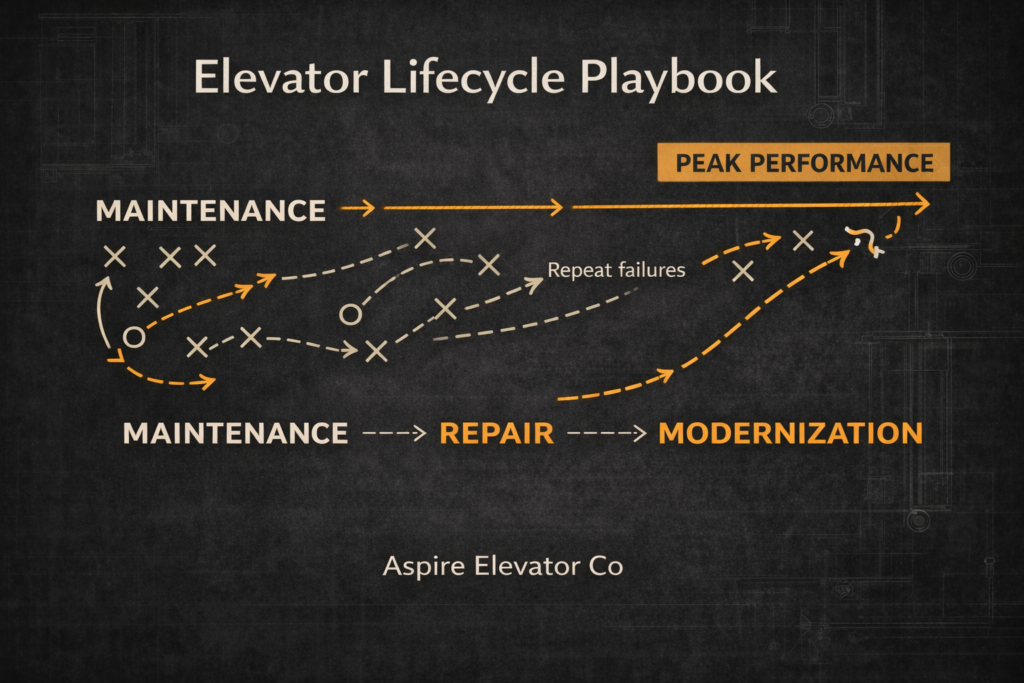
    Elevator lifecycle playbook graphic illustrating maintenance, repair, and modernization decision stages for commercial and residential elevator systems.

    Stage 1: Elevator Maintenance- Protecting What Works

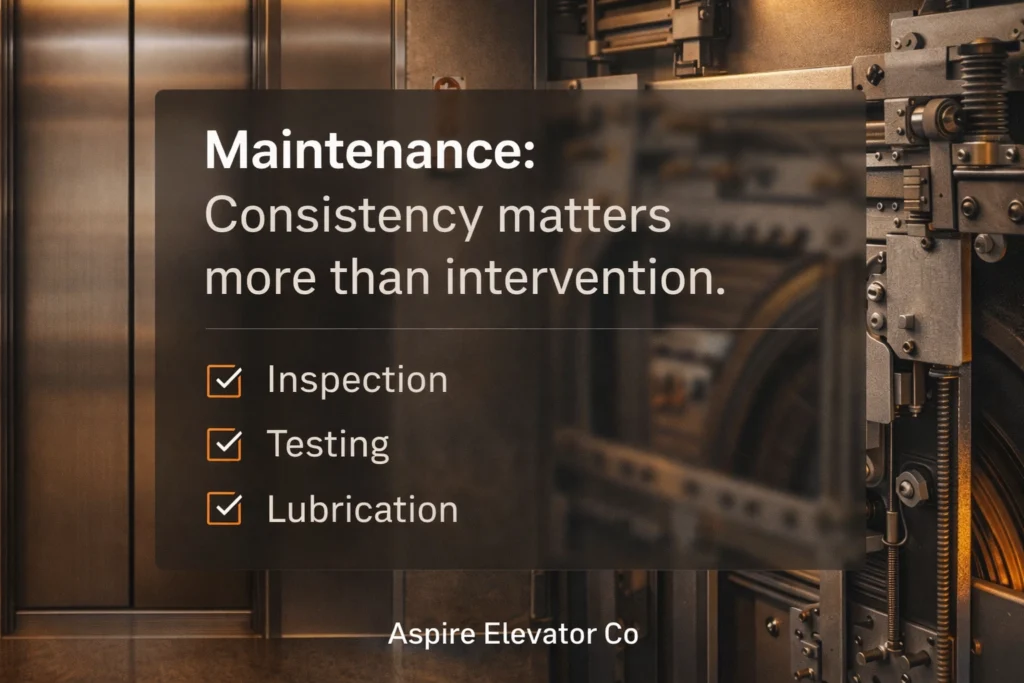
    In the early and mid-life stages, most elevators don’t need major upgrades. They need consistent, proactive elevator maintenance.

    Routine maintenance helps:

    • Extend equipment lifespan
    • Prevent premature component failure
    • Reduce downtime
    • Improve passenger safety
    • Keep inspections clean and predictable

    For commercial elevators, strong maintenance programs protect tenant experience and building reputation. For residential elevators, maintenance preserves quiet operation, accessibility, and long-term home value.

    You are likely in the maintenance phase if:

    • Your elevator passes inspections without recurring violations
    • Downtime is rare
    • Emergency service calls are minimal
    • The system is under 10–15 years old

    At this stage, consistency matters more than intervention.

    Elevator maintenance graphic highlighting inspection, testing, and lubrication as part of a proactive elevator maintenance strategy.

    Stage 2: Elevator Repair- Solving Problems Without Overspending

    All elevator systems require repairs over time. Components wear out. Usage increases. Technology evolves.

    The key question is not whether to repair. It’s how often.

    You may be entering a repair-heavy phase if:

    • The same parts are replaced repeatedly
    • Emergency calls are increasing
    • Downtime is disrupting tenants or daily living
    • Parts are harder to source
    • Annual repair costs are climbing

    For commercial buildings, frequent elevator repairs affect tenant satisfaction, lease renewals, online reviews, and overall asset perception.

    For residential elevators, repeated breakdowns reduce daily convenience, accessibility confidence, and buyer appeal if the home goes on the market.

    When repair costs rise steadily, it may signal that modernization should be evaluated.

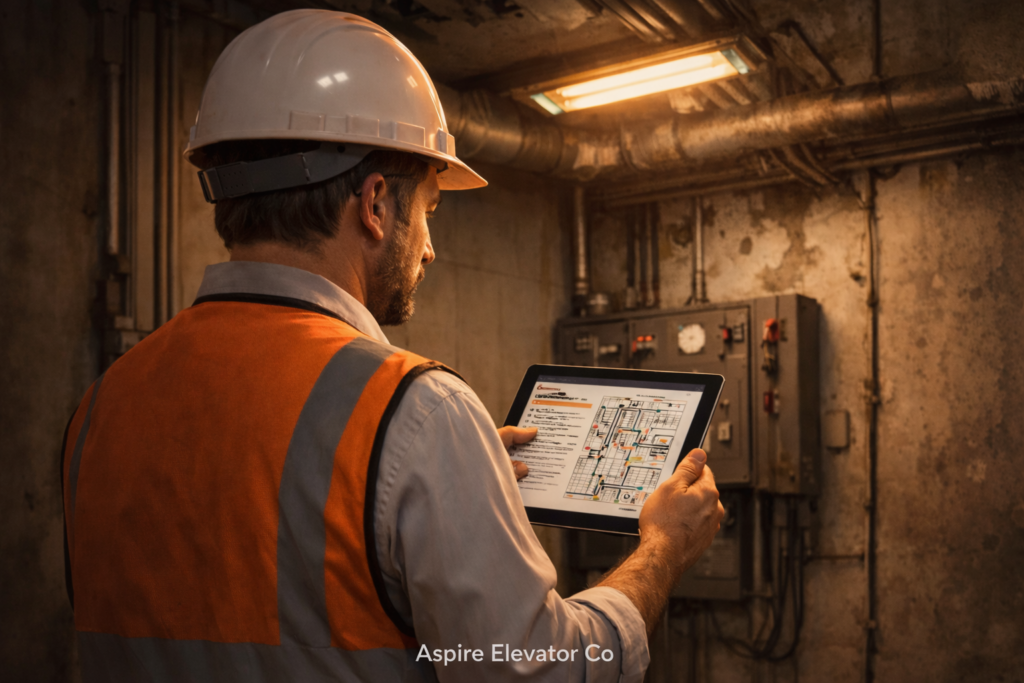
    Elevator technician in safety vest reviewing a digital inspection checklist on a tablet inside a mechanical room.

    Stage 3: Elevator Modernization- Resetting the System for Long-Term Performance

    Elevator modernization is not just cosmetic. It is a strategic investment in reliability, safety, and long-term cost control.

    Modernization can include:

    • Control system upgrades
    • Door operator replacement
    • Drive and motor improvements
    • Safety code compliance updates
    • Interior enhancements for residential systems

    Signs it may be time to modernize:

    • The elevator is 20+ years old
    • Repair costs exceed 25–40% of modernization cost
    • Downtime is increasing
    • Technology is outdated or unsupported
    • Energy efficiency is below current standards

    For commercial properties, elevator modernization can reduce operating costs, improve uptime, support tenant retention, and strengthen property value.

    For residential elevators, modernization can improve accessibility and aging-in-place functionality, increase buyer appeal, and support higher resale value.

    In multi-level homes, especially luxury properties, a well-maintained and modern home elevator can significantly influence purchasing decisions. Accessibility is no longer a niche feature, it’s a long-term value driver.

    Maintenance vs. Repair vs. Modernization: A Practical Comparison

    The most expensive decision is often delayed modernization.

    Waiting too long can result in major component failures, emergency replacements, extended downtime, and higher total lifecycle costs.

    Commercial and Residential Elevators: Different Use, Same Lifecycle Strategy

    Commercial elevators experience:

    • Higher traffic
    • Revenue-sensitive downtime
    • Strict compliance requirements
    • Tenant-driven expectations

    Residential elevators focus on:

    • Accessibility
    • Daily convenience
    • Aging-in-place planning
    • Home resale value

    Despite different usage patterns, both follow the same lifecycle logic: maintain early, repair strategically, modernize when performance and economics align.

    Using Data to Make Smarter Elevator Decisions

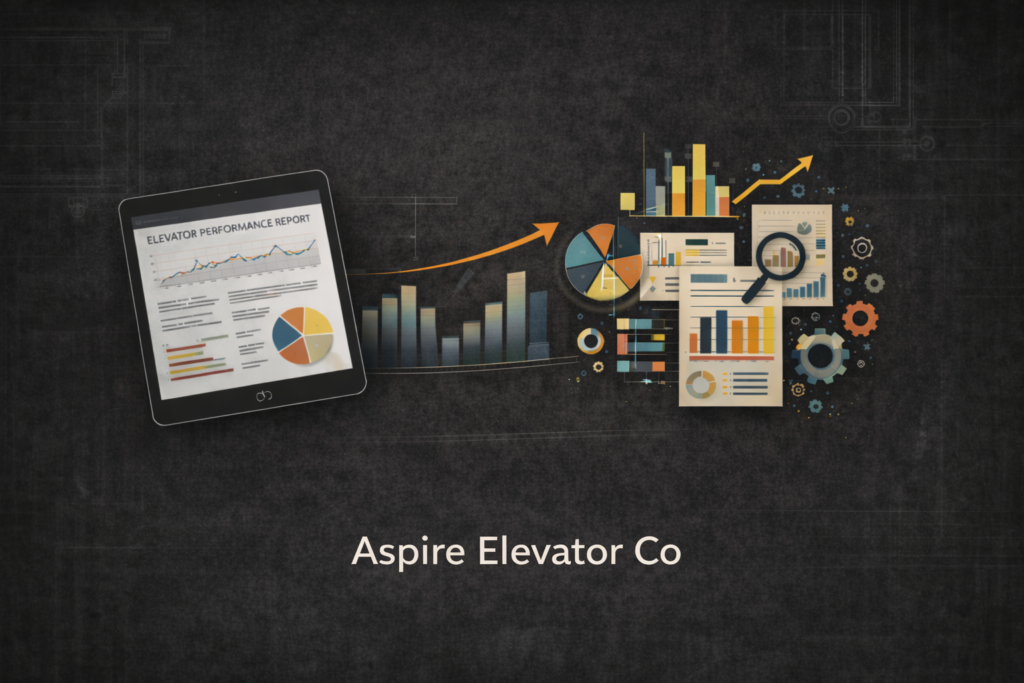
    Modern elevator systems and monitoring technology allow owners to track usage frequency, component stress, failure trends, and downtime patterns.

    Predictive insights help shift decisions from reactive to planned.

    That means:

    • Fewer emergency calls
    • More accurate budgeting
    • Better modernization timing

    Whether managing commercial elevators or a residential lift, performance visibility reduces long-term risk.

    Data-driven elevator analytics graphic showing performance charts and reports with Aspire Elevator Co branding.

    The Better Question to Ask

    Instead of asking: “Can we get one more year out of it?”

    Ask: “What stage of the elevator lifecycle are we in?”

    When you understand the stage, decisions become clearer. Costs become more predictable. And value is protected: not compromised.

    Elevators Are Long-Term Assets

    Elevators are infrastructure.

    In commercial buildings, they influence tenant retention and asset value. In residential homes, they support accessibility, comfort, and resale potential.

    Owners who manage elevators strategically don’t wait for failure. They plan by lifecycle.

    Schedule a Lifecycle Evaluation

    If you’re unsure whether your elevator is in a maintenance, repair, or modernization phase, Aspire Elevator can evaluate your system and provide a tailored recommendation.

    The right decision at the right stage protects more than equipment. It protects long-term value.

    Contact our team to schedule your lifecycle assessment today.

  • Elevator Safety Inspections: 7 Common Issues (and How to Prevent Them)

    Elevator Safety Inspections: 7 Common Issues (and How to Prevent Them)

    Whether you manage a commercial high-rise in Atlanta or own a private residence with a home elevator in Jacksonville, routine safety inspections are non-negotiable. They protect your tenants, your family, and your investment.

    But here’s the reality: most elevator problems don’t appear out of nowhere. They develop over time: and they’re often preventable with the right maintenance approach.

    In this guide, we’ll walk through the seven most common issues uncovered during elevator safety inspections across Florida, Georgia, and South Carolina. More importantly, we’ll show you exactly how to prevent them before they become costly repairs or compliance violations.


    Why Elevator Safety Inspections Matter

    Elevator inspections aren’t just a regulatory checkbox. They’re your first line of defense against equipment failures, liability issues, and unexpected downtime. For property managers, a failed inspection can mean taking an elevator offline: disrupting tenants and operations. For homeowners, it can mean safety risks for your family and guests.

    The good news? Most inspection failures stem from a handful of recurring issues. Address these proactively, and you’ll stay ahead of problems instead of reacting to them.


    Issue #1: Failed Emergency Car Lighting

    What inspectors find: Emergency lighting systems inside the elevator cab fail to activate during power outages. This happens because backup batteries degrade over time and aren’t replaced on schedule.

    Why it matters: If your elevator loses power and the emergency lights don’t work, passengers are stranded in complete darkness. Beyond the safety hazard, failed emergency systems are an immediate inspection failure in most jurisdictions.

    How to prevent it:

    • Replace emergency lighting batteries at manufacturer-recommended intervals (typically every 1–3 years)
    • Include emergency lighting tests in your quarterly inspection checklist
    • Document all battery replacements in your maintenance log

    Issue #2: Inadequate Machine Room Lighting

    What inspectors find: Machine rooms and elevator pits lack sufficient lighting, or existing lights aren’t accessible from the room entrance. This creates hazards for technicians performing maintenance.

    Why it matters: Poor lighting in mechanical spaces leads to accidents, missed maintenance issues, and code violations. Inspectors check that lighting meets specific lumen requirements and is easily accessible.

    How to prevent it:

    • Schedule monthly visual inspections of machine room lighting
    • Verify that light switches are located at room entrances
    • Replace burned-out bulbs immediately: don’t wait for inspection day

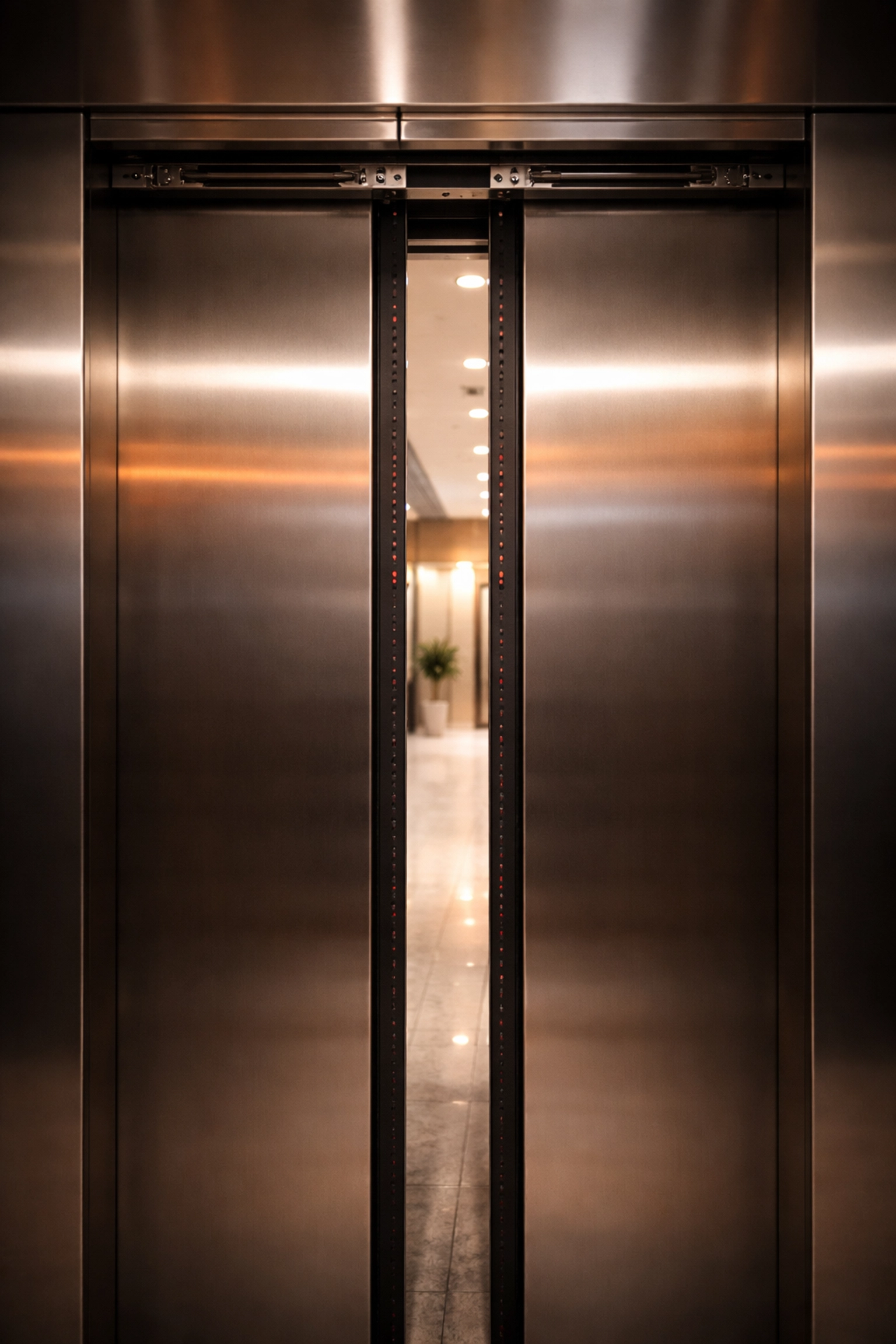
    Issue #3: Malfunctioning Door Restrictors

    What inspectors find: Door restrictors: the safety devices that prevent elevator doors from opening when the cab isn’t at a landing: fail to operate correctly. This is one of the most serious safety violations an inspector can identify.

    Why it matters: A malfunctioning door restrictor can allow doors to open into an empty shaft. In many states, elevators with failed door restrictors must be immediately removed from service until repairs are completed.

    How to prevent it:

    • Test door restrictors monthly as part of routine maintenance
    • Monitor for any hesitation, unusual sounds, or alignment issues
    • Schedule professional inspections if you notice any irregularities
    Close-up of elevator doors closing, highlighting reliability and safety mechanisms

    Issue #4: Door System Problems

    What inspectors find: Elevator doors that don’t open or close smoothly, get stuck, or reverse inconsistently. These issues typically stem from misaligned sensors, dirty door tracks, or worn mechanical components.

    Why it matters: Door problems are among the most frequently reported elevator issues. They frustrate users, slow building traffic, and often indicate deeper mechanical concerns that will worsen over time.

    How to prevent it:

    • Clean door tracks thoroughly and regularly
    • Calibrate door sensors according to manufacturer specifications
    • Address any jerking, hesitation, or unusual door behavior immediately
    • Schedule professional sensor recalibration at least annually

    Issue #5: Unusual Noises and Vibrations

    What inspectors find: Grinding, rattling, squeaking, or thumping sounds during elevator operation. These noises often indicate misaligned components, loose parts, or insufficient lubrication.

    Why it matters: Unusual sounds aren’t just annoying: they’re early warning signs. Left unaddressed, minor mechanical issues can escalate into major repairs or sudden breakdowns. Inspectors note these conditions and may require follow-up maintenance.

    How to prevent it:

    • Train building staff to report unusual elevator sounds immediately
    • Include listening checks in monthly visual inspections
    • Maintain proper lubrication schedules for all moving components
    • Don’t ignore small noises: investigate them promptly

    Issue #6: Erratic Movement and Power Failures

    What inspectors find: Elevators that stop unexpectedly, move erratically between floors, or fail to respond to controls. These problems often involve control system malfunctions, electrical issues, or mechanical failures in pulleys, counterweights, or braking systems.

    Why it matters: Erratic elevator behavior creates immediate safety concerns and significant liability exposure. Power failures can strand passengers and disrupt building operations for hours.

    How to prevent it:

    • Conduct quarterly comprehensive inspections that include:
      • Testing all safety systems
      • Checking cable tension
      • Inspecting motor and drive components
      • Evaluating electrical connections
    • Verify backup power systems (generators, battery backups) are functional
    • Keep detailed maintenance logs to identify patterns before failures occur
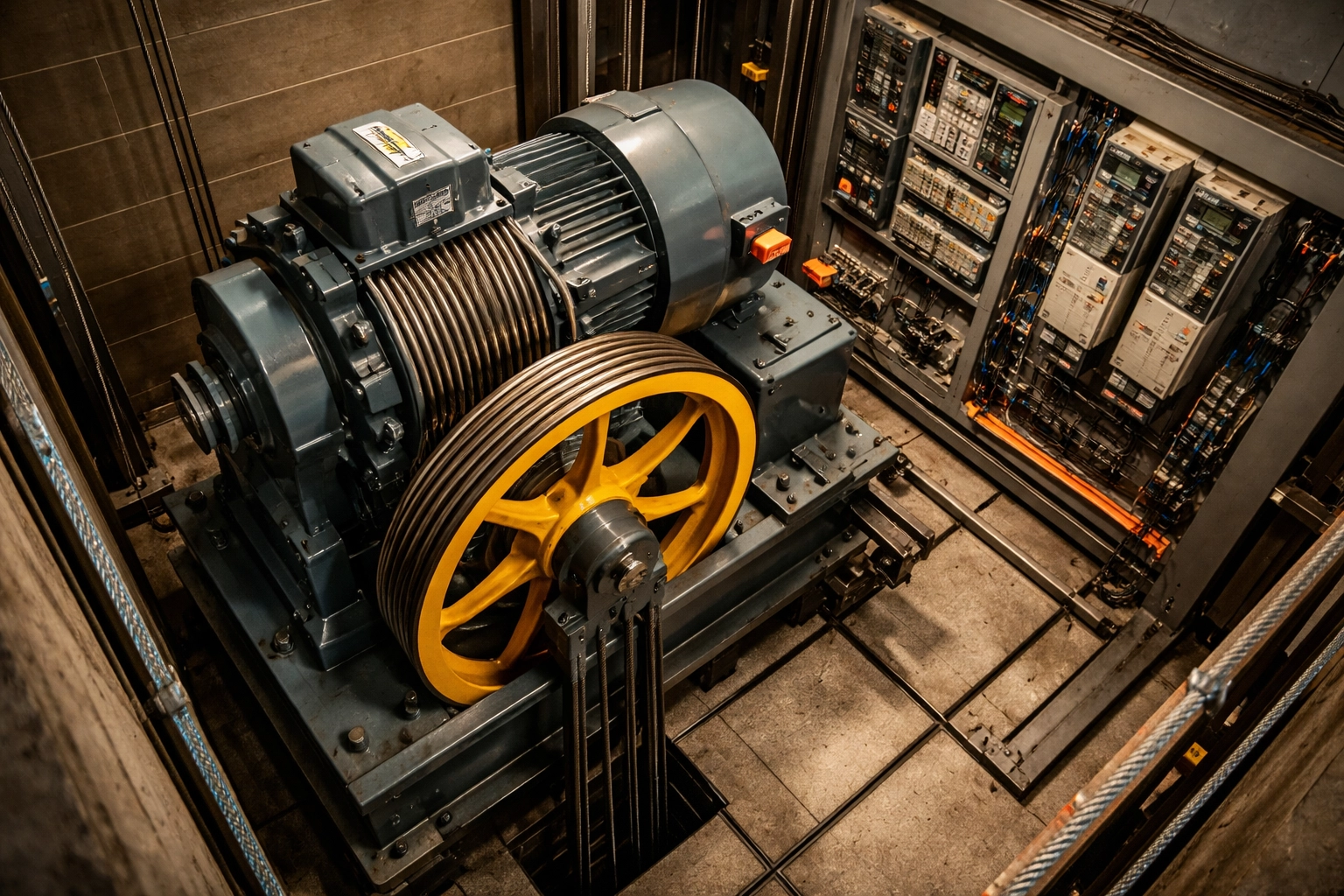
    Overhead view of an organized elevator machine room showing motor, cables, and components during inspection

    Issue #7: Overheating Components

    What inspectors find: Motors, cables, bearings, or control systems running at elevated temperatures. Overheating is especially common during high-usage periods in commercial buildings.

    Why it matters: Overheating components can trigger system shutdowns, accelerate wear, and in extreme cases, create fire hazards. This issue often goes unnoticed until it causes a breakdown.

    How to prevent it:

    • Ensure machine rooms have adequate ventilation
    • Maintain proper lubrication levels on all bearings and moving parts
    • Consider thermal imaging inspections to detect hot spots before they cause problems
    • Replace worn components promptly: don’t push equipment past its service life

    Building Your Prevention Strategy

    Preventing these seven issues comes down to three fundamentals:

    1. Establish a consistent maintenance schedule

    • Monthly visual inspections for obvious issues (lighting, sounds, door operation)
    • Quarterly comprehensive inspections covering all mechanical and electrical systems
    • Annual professional assessments with certified technicians

    2. Document everything
    Maintain a detailed maintenance log that tracks inspections, repairs, and component replacements. This documentation helps you predict when parts need attention and demonstrates compliance during inspections.

    3. Work with certified professionals
    Elevator systems are complex. Attempting DIY repairs or inspections can disable critical safety functions and create liability. Partner with experienced, certified elevator professionals who understand state and local codes in Florida, Georgia, and South Carolina.


    The Bottom Line

    Elevator safety inspections don’t have to be stressful. When you understand the most common issues: and take proactive steps to prevent them: you’ll pass inspections with confidence, avoid costly emergency repairs, and keep your elevators running safely for years to come.

    The key is consistent, professional maintenance from a team that knows your equipment and your local requirements.


    Ready to Schedule Your Inspection?

    At Aspire Elevator Co., we provide comprehensive elevator inspection, maintenance, and repair services for commercial properties and residential elevators throughout Florida, Georgia, and South Carolina. Our certified technicians deliver transparent pricing, no hidden fees, and responsive service you can count on.

    Whether you need a routine inspection, preventive maintenance program, or help addressing a specific issue, we’re here to help.

    Call us today to schedule your elevator safety inspection or discuss a maintenance plan tailored to your property.

  • The Top 5 Elevator Monitoring Tools for Commercial Property Managers in 2026

    The Top 5 Elevator Monitoring Tools for Commercial Property Managers in 2026

    Commercial elevator downtime costs the average building $2,500 per hour in lost productivity and tenant satisfaction. With modern monitoring technology, property managers can now prevent 85% of elevator failures before they occur. Here are the five essential monitoring tools that are transforming commercial elevator management in 2026.

    1. Remote Monitoring Systems with Real-Time Analytics

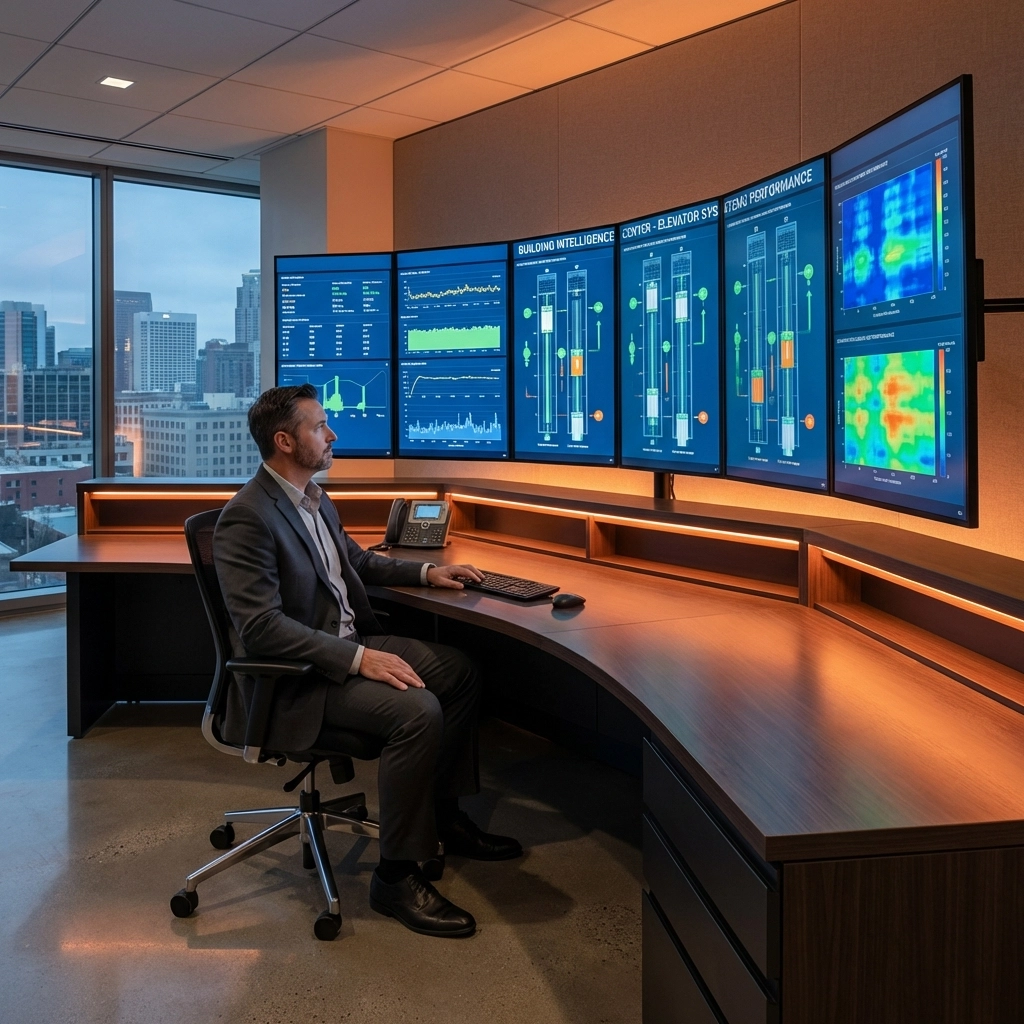
    Remote monitoring platforms have become the backbone of proactive elevator maintenance. These systems track performance metrics 24/7 and instantly alert facility teams when anomalies occur.

    Key Features:

    • Real-time performance tracking across all elevator systems
    • Automatic fault detection and immediate notifications
    • Historical data analysis for usage pattern identification
    • Integration with building management systems (BMS)

    Why It Matters:
    Remote monitoring reduces emergency service calls by 60% and extends elevator lifespan by identifying wear patterns before they cause failures. The BBX VISIBLE IoT Platform exemplifies this technology, offering comprehensive oversight for high-rise buildings with detailed dashboard analytics.

    Implementation Benefits:

    • Immediate notification of mechanical faults
    • Reduced response times from hours to minutes
    • Predictive insights that prevent costly breakdowns
    • Detailed reporting for maintenance planning and budgeting

    Property managers using remote monitoring report average maintenance cost reductions of 25-35% within the first year of implementation.

    2. AI-Driven Predictive Maintenance Systems

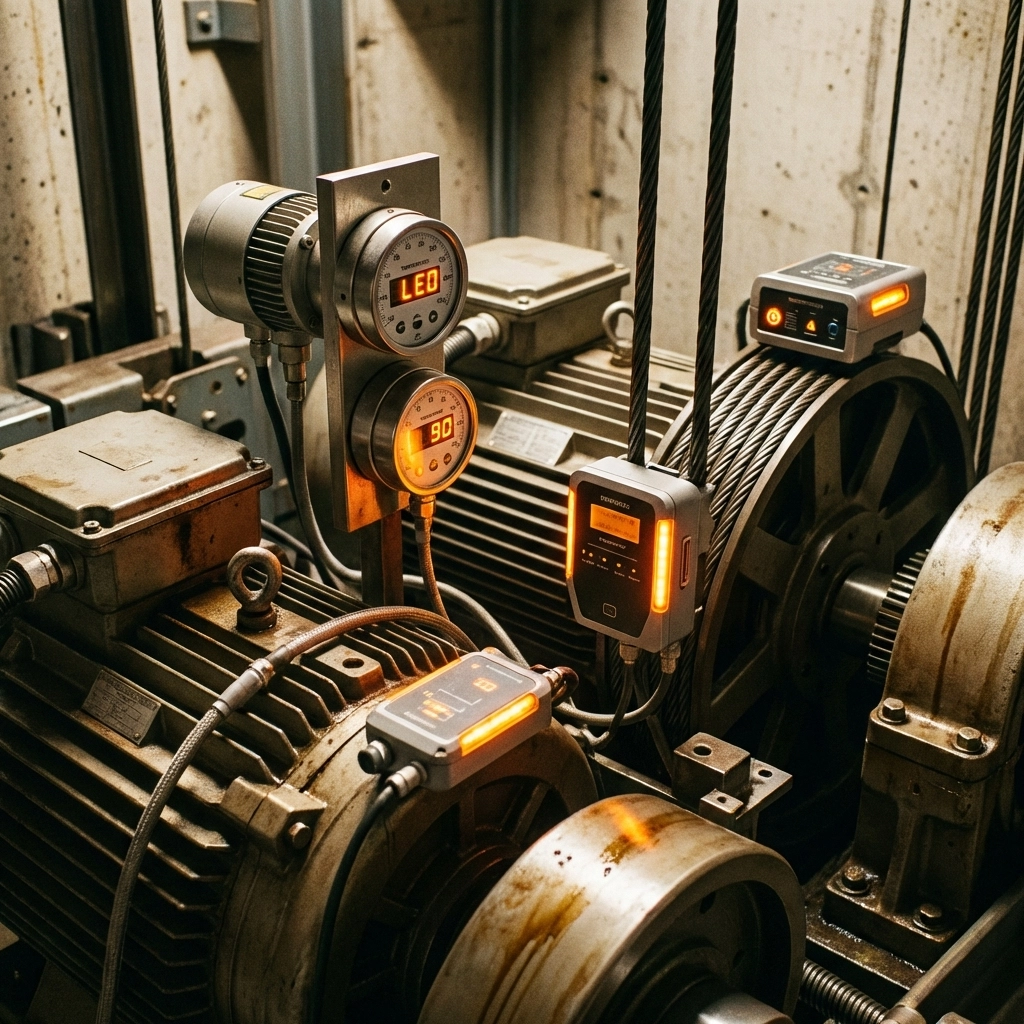
    Artificial intelligence has revolutionized how we approach elevator maintenance. Advanced sensor networks collect data on motor temperatures, door operations, vibration patterns, and cable tension, feeding this information into AI algorithms that predict failures weeks in advance.

    Core Capabilities:

    • Motor temperature and performance analysis
    • Door operation cycle monitoring
    • Vibration pattern recognition
    • Cable wear and tension assessment
    • Digital twin simulation for scenario planning

    Proven Results:
    AI-driven systems are reducing elevator downtime by more than 30% across commercial installations globally. These platforms use machine learning to continuously improve their predictive accuracy, becoming more effective over time.

    Strategic Advantages:

    • Schedule maintenance during off-peak hours
    • Order replacement parts before failures occur
    • Eliminate surprise breakdowns during critical business periods
    • Optimize technician schedules and resource allocation

    The technology pays for itself through reduced emergency calls and extended component life, typically showing ROI within 18 months.

    3. Smart Sensor Networks for Comprehensive Diagnostics

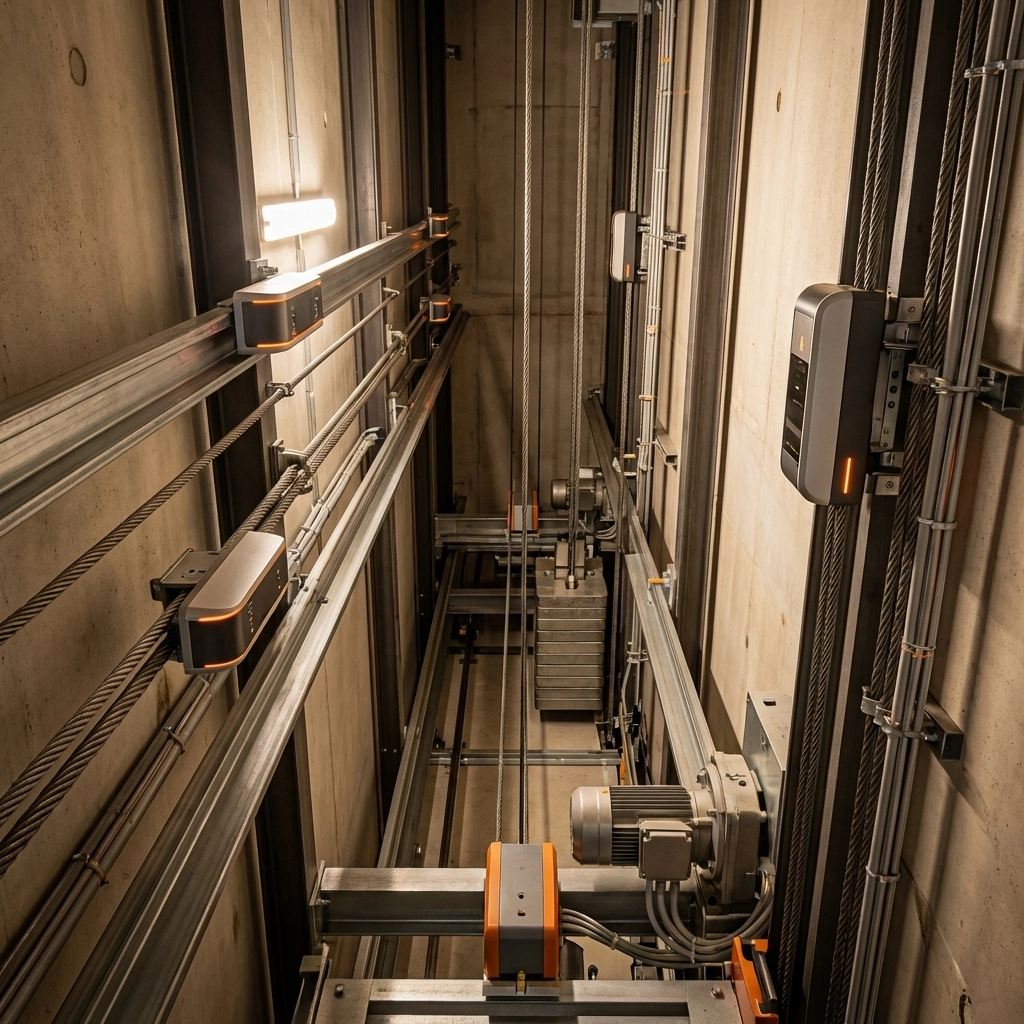
    Modern elevator monitoring relies on strategic sensor placement throughout the elevator system. These sensors provide granular data on every aspect of elevator performance.

    Essential Sensor Types:

    • Motion sensors: Track acceleration, deceleration, and travel smoothness
    • Temperature sensors: Monitor motor, brake, and control room conditions
    • Vibration sensors: Detect bearing wear, alignment issues, and mechanical stress
    • Load sensors: Measure car weight distribution and usage patterns
    • Door sensors: Monitor opening/closing cycles and obstruction detection

    Data Collection Benefits:
    Smart sensors create a complete picture of elevator health, enabling maintenance teams to address minor issues before they escalate. This comprehensive monitoring approach reduces major repair costs by 40-50%.

    Implementation Strategy:
    Start with critical sensors on high-traffic elevators, then expand coverage based on usage patterns and risk assessment. Prioritize sensors that monitor the most failure-prone components: doors, motors, and control systems.

    4. 3D Multi-Beam Door Safety and Monitoring Systems

    Door-related issues account for 60% of elevator service calls in commercial buildings. Advanced 3D multi-beam sensors address this challenge while providing valuable monitoring data.

    Technology Advantages:

    • Earlier movement detection reduces false stops
    • Better performance in high-traffic environments
    • Reduced wear on door mechanisms
    • Enhanced passenger safety and comfort
    • Detailed usage analytics for traffic optimization

    Ideal Applications:

    • Shopping malls and retail centers
    • Airports and transportation hubs
    • Hospitals and healthcare facilities
    • Office buildings with heavy foot traffic
    • Hotels and hospitality venues

    Performance Impact:
    Buildings using 3D multi-beam sensors report 45% fewer door-related service calls and 20% improvement in passenger wait times during peak periods.

    Cost Considerations:
    While initial investment is higher than traditional sensors, the reduction in service calls and improved passenger experience typically yields ROI within 2-3 years.

    5. IoT-Enabled Building Integration Platforms

    Internet of Things (IoT) technology connects elevator monitoring to broader building management systems, creating unified facility oversight.

    Integration Capabilities:

    • Real-time dashboard updates for building operations teams
    • Automated reporting for compliance and maintenance records
    • Integration with access control and security systems
    • Energy usage monitoring and optimization
    • Tenant notification systems for planned maintenance

    Operational Benefits:
    IoT platforms enable property managers to monitor elevator performance alongside HVAC, lighting, and security systems from a single interface. This integration improves response coordination and reduces operational complexity.

    Key Features:

    • Mobile app access for remote monitoring
    • Automated maintenance scheduling
    • Vendor management and service coordination
    • Compliance documentation and reporting
    • Energy efficiency tracking and optimization

    Maximizing Your Monitoring Investment

    Start with High-Impact Areas:
    Focus initial monitoring investments on elevators with the highest traffic or most critical to building operations. This approach maximizes immediate benefits while building experience with the technology.

    Plan for Integration:
    Choose monitoring tools that integrate with existing building systems and can scale as your portfolio grows. Avoid vendor lock-in by selecting platforms with open APIs and industry-standard protocols.

    Staff Training Requirements:
    Ensure your maintenance team receives proper training on monitoring platforms. Most property managers see optimal results when at least two team members are fully trained on each system.

    Performance Metrics to Track:

    • Average downtime per elevator per month
    • Preventive vs. reactive maintenance ratio
    • Tenant satisfaction scores
    • Energy consumption per elevator
    • Total cost of ownership including monitoring systems

    Implementation Timeline and ROI Expectations

    Most comprehensive monitoring implementations take 3-6 months from planning to full operation. Property managers typically see measurable improvements within 90 days, with full ROI within 18-24 months.

    Phase 1 (Months 1-2): System selection, vendor negotiations, and installation planning
    Phase 2 (Months 2-4): Hardware installation and system integration
    Phase 3 (Months 4-6): Staff training and process optimization

    The combination of reduced downtime, lower maintenance costs, and improved tenant satisfaction creates compelling business value that justifies the investment in monitoring technology.

    For commercial properties seeking to implement comprehensive elevator monitoring solutions, professional guidance ensures optimal system selection and integration. The right monitoring strategy transforms elevator management from reactive maintenance to proactive optimization, delivering measurable improvements in performance, cost control, and tenant satisfaction.

    Modern elevator monitoring isn’t just about preventing breakdowns; it’s about optimizing building operations and creating superior tenant experiences through reliable, efficient vertical transportation systems.

    Ready to reduce downtime and improve tenant satisfaction? Contact Aspire Elevator Co. for expert monitoring solutions or to schedule a consultation.