
A clearer, more responsive approach to elevator service—for homes, buildings, and the people who rely on them.
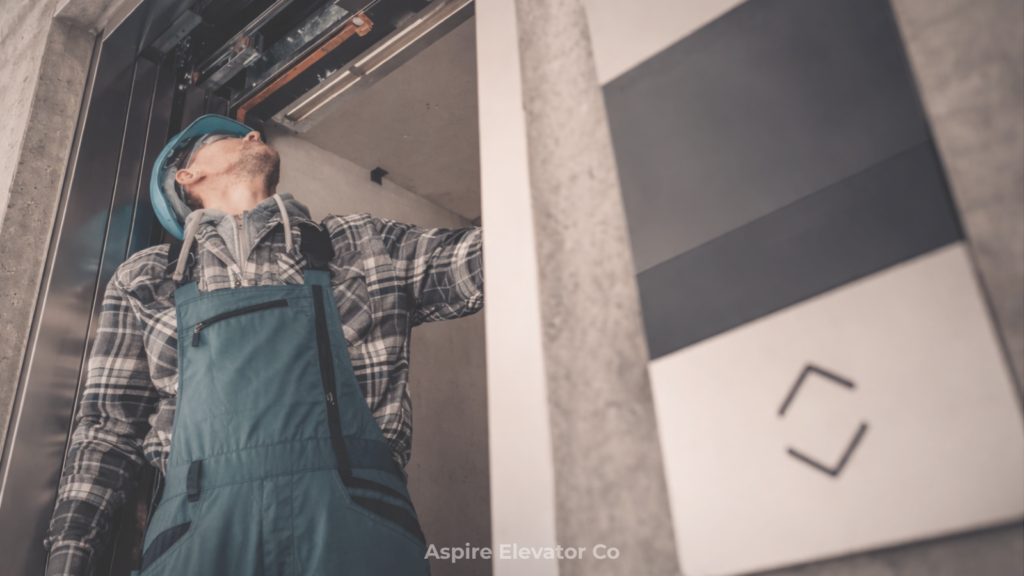
We didn’t set out to build just another elevator company.
We started Aspire Elevator because we kept seeing the same pattern—people weren’t frustrated with elevators themselves as much as they were frustrated with the experience around them.
Calls that didn’t get returned.
Issues that took too long to resolve.
Explanations that felt unclear or overly technical.
Over time, that becomes what people expect.
And most assume that’s just how it works.
But it doesn’t have to.
Where Most Frustration Starts
For most people, the challenge isn’t just the elevator.
It’s everything that surrounds it.
Elevators are essential systems—but they live in a space that’s highly technical and often reactive. You don’t think about them until something isn’t working the way it should.
And when that happens, you’re suddenly dealing with:
- Downtime that impacts tenants, guests, or daily routines
- Unclear communication around what’s wrong or how long it will take
- Recommendations that are hard to evaluate without context
For hotels and office buildings, that affects experience and operations.
For contractors, it can create delays and coordination issues.
For homeowners, it disrupts the flow of daily life in a way most people don’t anticipate.
And in many cases, the hardest part isn’t the issue itself—it’s not knowing what’s actually going on.
The Assumption Most People Don’t Question
There’s a quiet assumption in this space:
That slow responses, limited communication, and reactive service are just part of owning or managing an elevator.
So people adjust.
They wait longer than they should.
They move forward without full clarity.
They accept a level of uncertainty that wouldn’t be acceptable in other areas of their home or business.
But that’s not a requirement of the system—it’s a result of how the system is often supported.
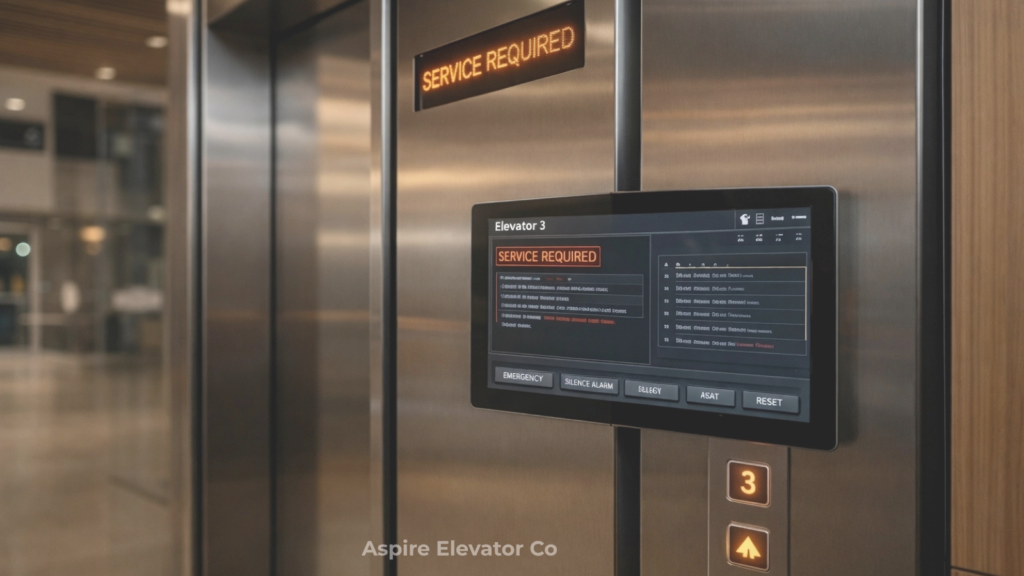
A Different Way to Approach Elevator Service
At Aspire Elevator, the goal isn’t just to fix what’s broken.
It’s to make the entire experience around your elevator feel more clear, responsive, and manageable.
That starts with something simple:
When you reach out, you get a response.
Not eventually—quickly.
But responsiveness alone isn’t enough.
It has to be paired with real skill and experience. The kind that allows you to not only address the issue in front of you, but also recognize patterns, anticipate future problems, and offer better long-term solutions.
Because not every elevator issue is just a one-time fix.
Sometimes the better question is:
- Why does this keep happening?
- Is there a more efficient path forward?
- What can we do now to prevent this from becoming a bigger issue later?
That’s where thoughtful support makes a difference.
Why Education Matters
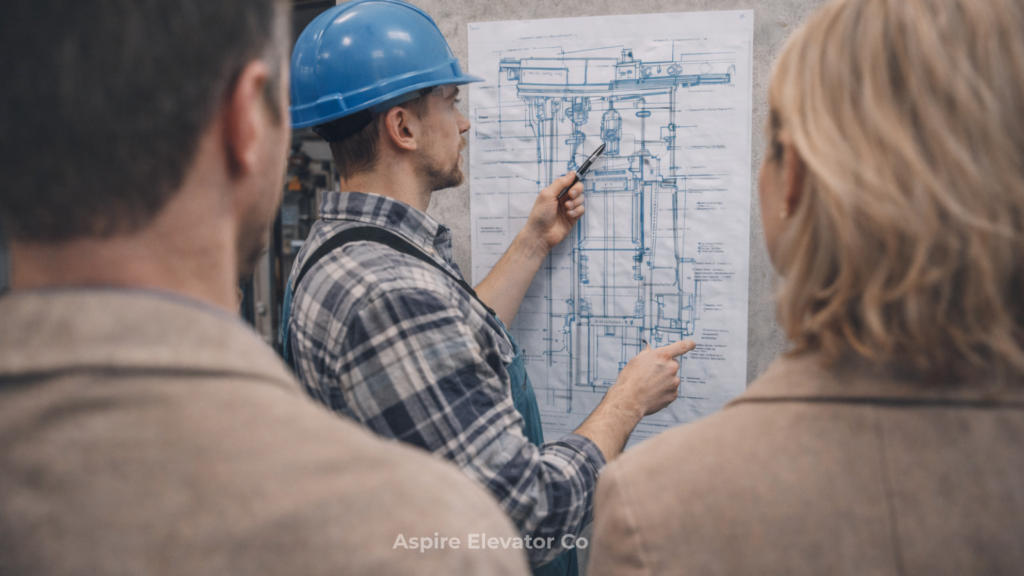
One of the biggest gaps we see is a lack of understanding around how elevators actually work—and what good service should look like.
Most people are given answers, but not context.
And without that context, it’s hard to know:
- What’s necessary vs. optional
- What’s urgent vs. something that can be planned
- What a smart long-term investment looks like
We believe part of our role is helping you understand your system—not just respond to it.
Because when you understand what’s happening:
- You make better decisions
- You can plan instead of react
- You avoid unnecessary costs and disruptions
And that changes everything.
Who We Work With
This shows up across a wide range of environments:
- Hotels & Motels → where uptime directly impacts guest experience
- Office Buildings → where reliability matters every single day
- Contractors → who need clear communication and coordination
- Homeowners → who want something that works seamlessly without constant concern
Different settings, but the same need underneath it:
Clear answers. Reliable support. People who actually show up.
What You Should Expect
If there’s one thing we hope people walk away with, it’s this:
You don’t have to settle for confusion or slow responses.
You should expect:
- Clear communication
- Timely support
- Thoughtful recommendations
- A partner who helps you think ahead—not just react
That shouldn’t be a differentiator.
It should be the baseline.
Let’s Talk
Whether you’re:
- Trying to better understand how your current system works
- Working through an issue that needs attention, or
- Beginning to explore what adding an elevator to your home or building could look like
We’d be glad to walk through it with you.
A simple conversation to help you gain clarity on what makes the most sense moving forward.